


Hypertension (HD)a chronic disease whose main symptom is elevated blood pressure (BP), excluding symptomatic hypertension
If a person constantly increases blood pressure (arterial hypertension is above 140 and 90 mmHg), then he is usually diagnosed with hypertension.And 90% of the time it's true.In only 10% of cases, it is possible to find the cause of the increase in blood pressure, and often, by eliminating it, a person can get rid of the symptom of arterial hypertension - in this case, the diagnosis is symptomatic hypertension.
According to WHO recommendations, blood pressure should be considered normal if it does not exceed 140 and 90 mmHg.Art.
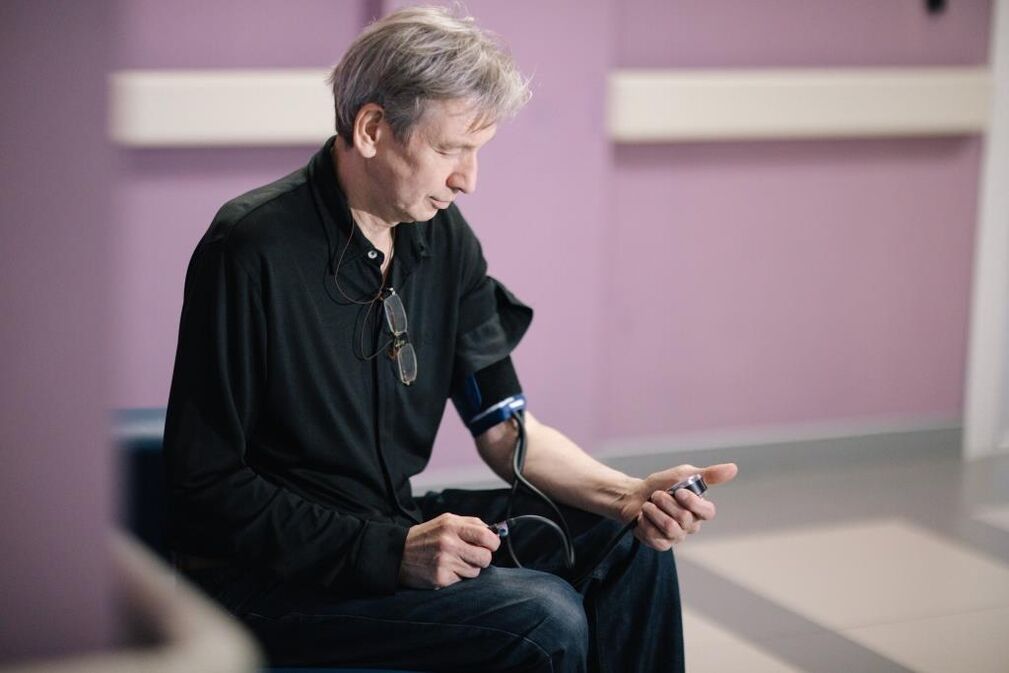
Usually blood pressure is a labile value, i.e.it changes depending on what a person is doing, what position they are in, the level of physical activity, anxiety, etc.But after the end of the exposure in a healthy person, blood pressure levels normalize after some time on their own, unlike a patient whose blood pressure normalizes under the influence of drugs that quickly regulate blood pressure values.
It is assumed that the basis of the disease is a violation of the blood pressure regulation mechanisms.
Epidemiology of hypertension
Data from the Cardiology Society of the Russian Federation (2020): 30-45% of the world's population suffers from hypertension.Among men aged 25-65, 47% of patients with hypertension were identified, and among women - about 40%.After 60 years, more than 60% of patients with hypertension are registered.Due to an aging population, an increase in sedentary lifestyles and overweight people, it is estimated that in 2025 there will be 1.5 billion people with HD in the world, which means an increase in patients with this disease by 15-20%.
WHO considers hypertension and atherosclerosis to be the most common causes of early death among the working-age population.Complications caused by these diseases, such as myocardial infarction, chronic kidney disease or acute cerebrovascular accident, are life-threatening, but also quite often disable people, making them unable to work.
Pathogenesis of hypertension
"The disease of unreacted emotions," Georgy Fedorovich Lang, an outstanding Soviet therapist and scientist, called hypertension.
Blood pressure is the force with which the blood presses against the walls of the vessel and depends on three hemodynamic parameters: the strength of the cardiac output, the total volume of blood that circulates in the vascular bed and how elastic the vessels are and what is their tone (total peripheral resistance).The upper number of blood pressure is determined by the force of pushing blood from the heart - systolic pressure, and the lower number shows the pressure during diastole - relaxation of the heart.It reflects the degree of resistance of blood vessels to blood flow.
Vascular tone, in turn, is regulated by the central and peripheral nervous system and depends on the complex of mediators and biologically active substances released into the blood, also secreted by the endocrine system, in various life situations: during emotions, fatigue, physical activity.Pathogenetic mechanisms of hypertension are realized through activation of the sympathoadrenal and renin-angiotensin-aldosterone systems, the membrane transport of cations (sodium, calcium and potassium) is disturbed with increased reabsorption of sodium in the kidneys.Due to the excessive production of vasoconstrictor compounds and the reduced production of depressant compounds, dysregulation of vascular tone also occurs.These compounds affect the structure of the vascular wall, it undergoes changes due to non-infectious inflammation, due to spasm of the smooth muscles of the vessels, which leads to impaired microcirculation.
Subsequently, vascular stiffness increases, which further increases total vascular resistance, and the baroreceptor connection of the central blood pressure regulatory system is disrupted.This leads to arterial hypertension, functional and organic changes in the heart, central nervous system, retina and kidneys.
Risk factors
Hypertension is a multifactorial disease.Let's look at the factors that influence the development and exacerbation of hypertension:
Immutable factors:
- Recorded cases of hypertension in close relatives (heredity).
- High blood pressure is found more often in older age (age).
- Sexual pressure is detected earlier in men than in women.Women have an increased risk of developing hypertension during menopause (it is during this period that 60% of women suffer from high blood pressure).This is due to hormonal imbalance and exacerbation of emotional and nervous reactions.
- Negroid race (these people get sick more often and have more severe complications of hypertension).
- Influence of climatic conditions (weather-dependent people).
Modifiable factors:
- Obese people are susceptible to hypertension 2-6 times more often than the general population.This is due to the fact that intraperitoneal fat is hormonally active, helps to suppress sex hormones, prevents the absorption of glucose from other tissues, supports inflammatory reactions, increases vasoconstriction and swelling of the vascular wall.
- Reduced physical activity increases the risk of disease by 29-50% compared to more exercised people.
- An excess of salty foods, an imbalance of fats and alcohol abuse also contribute to an increase in blood pressure.
- Smoking is an indisputable factor that affects the walls of the arteries very badly and contributes to the occurrence and worsening of arterial hypertension.One cigarette smoked can raise blood pressure by 10-30 mmHg.art., promotes spasm and supports the inflammatory process of the vascular wall.
- Emotional overload and chronic stress affect vascular tone regulation systems and disrupt their adaptation to stress.
- Metabolic disorders: lipid metabolism - hypercholesterolemia and resulting atherosclerosis of the arteries - always accompanies hypertension;carbohydrate metabolism and developing diabetes mellitus - influence the severity of hypertension and mortality from it.
Symptoms of hypertension
It is important to note that sometimes hypertension does not cause symptoms.Therefore, people with risk factors for hypertension should systematically monitor their blood pressure.
Hypertension hastarget organs.When blood pressure increases, these organs suffer: heart, brain, kidneys, peripheral arteries, retina.Due to the fact that the increase in A/D is associated with spasm primarily of the small arteries, which worsens blood circulation, and these organs are hypersensitive to the deterioration of blood flow, the symptoms are also caused by changes in them.
The main subjective complaints of a patient with increased blood pressure are: headache, tinnitus, frequent dizziness, "spots" before the eyes.Later, when persistent changes in the arteries develop, complaints of poor sleep, deterioration of working capacity, memory, that is, signs of encephalopathy, will appear.On the cardiac side, rapid pulse, shortness of breath, pain or discomfort in the left side of the chest, rhythm disorders are detected, and then later manifestations of heart failure in the form of shortness of breath and swelling are noticed.
Damage to the kidneys begins very unnoticed, but leads to nephrosclerosis and disruption of their functions.Hypertensive angiopathy develops in the retina, which is detected by an ophthalmologist in the early stages of the disease and in some cases allows to confirm the diagnosis.
Exacerbations of hypertension sometimes occur latently, but this does not mean that it is safe.Even regardless of the pressure level, hypertension can manifest itself with severe complications: heart attack and stroke.Sometimes the exacerbation manifests itself as a hypertensive crisis.It is characterized by a sharp increase in blood pressure, severe headache, facial redness, chills, vomiting may occur. This condition requires an ambulance call.
Diagnosis of hypertension
A properly collected medical history plays a special role in the diagnosis of hypertension.Information about the onset of the disease is carefully clarified, all possible risk factors and complaints of patients are investigated, mainly emphasizing complaints characterizing the involvement of target organs in the process.It is especially important to have a history of heart failure, kidney failure, history of strokes, detection of diabetes mellitus, retinal angiopathy, and aortic aneurysm.
The examination, in addition to measuring the blood pressure during the consultation, also includes an assessment of the physical data of the target organs.This approach makes it possible to calculate the degree of risk, thanks to which a prognosis of the disease is created.It is necessary to calculate the body mass index if there is an increase in weight.
After the first consultation, the doctor makes a preliminary diagnosis, if one has not been made before.After that, a review is required.
Instrumental research:
- 24-hour blood pressure and 12-lead ECG monitoring.
- Ultrasound examination of the heart (ECHO).It gives an idea of the condition of the cavities of the heart and the movement of blood in it.
- Doppler ultrasound of the arteries of the kidneys and neck.
- Urinalysis for albuminuria and blood biochemical indicators.
- Thyroid-stimulating hormone and free T4.To assess thyroid function.
- Examination by an ophthalmologist to assess the condition of the fundus vessels.
When the diagnosis is clarified, the cardiologist or the therapist (if the patient is treated by a therapist) prescribes drug therapy after analyzing the research data and all possible risk factors.

Treatment of hypertension
Treatment goal: achieving normal (target) blood pressure levels and preventing complications.Treatment is divided into drug and non-drug.
Drug treatment of headache
When choosing therapy, doctors are guided by international recommendations developed by medical communities for the treatment of hypertension.
Now in the medical arsenal there are quite a few drugs that lower blood pressure.They affect the known pathogenetic mechanisms of the disease and eliminate or reduce their influence.These are several groups of drugs, for example, diuretics (diuretics), renin channel blockers, beta-blockers, calcium channel blockers, ACE inhibitors.It is the responsibility of the attending physician to choose them for this particular patient and it may take some time, since each group of drugs has its own characteristics and side effects, and the effect of the drug is not always quick;sometimes it is necessary to select them in combination with each other.
In order for the treatment to be effective and to achieve its long-term goals, interaction between the patient and the doctor and full compliance with the course of treatment by the patient is necessary.
Rules that the patient who wants to receive effective treatment must follow:
- Regular intake of medicines according to the prescribed scheme: day, evening.
- In case of side effects or doubts, the patient should contact the attending physician to adjust the medication intake.
- You should not stop taking medication on your own without consulting a doctor, even if your blood pressure and health are normal.
- Blood pressure measurement when choosing therapy in the morning and evening (keep a diary), in case of deterioration of health (fill in a diary);if you feel well, for 7-10 days in the morning and evening to make sure it is stable, monthly.
- Visit to a doctor for a minimal examination with selected treatment and normal health 2 times a year (dispensary visit).
Non-pharmacological measures for the treatment of hypertension
At each stage of hypertension, it is necessary to work with modifiable risk factors.This is the prevention of hypertension.
What can the patient do for himself to reduce or not have high blood pressure with existing risk factors for hypertension?
- Avoid the accumulation of fatty deposits.Weight correction is the most important way to adjust A/D.A 10 kg weight gain causes a 10 mm Hg increase in blood pressure.Art.
- Eat sensibly.Your diet should contain calories appropriate for your weight, be rich in foods that contain potassium and magnesium, and unsaturated fats, while saturated fats and simple carbohydrates should be limited.
- Don't eat too much salt.It causes arterial spasm and fluid retention in the body.It has been shown that when a person consumes >5 g of salt per day, the risk of developing hypertension increases significantly.
- Try to move a lot, but don't overdo it.It's helpful to do physical therapy, swim or walk, and aim for at least 10,000 steps each day.
- Avoid nervous tension: Find a way to switch if you often experience severe anxiety or nervous shock (fitness, yoga, long walks).
- Avoid excess tensionrelated to intellectual activity.
- Do not work at nightbecause it disrupts biological rhythms.
- Do not work in areas with significant vibration or noise, affect the central and peripheral nervous and vascular systems.
- Monitor your blood pressure levels, especially if your closest relatives (parents, brothers and sisters) had or have arterial hypertension, to take measures in time.
- Consult a gynecologistin the period of premenopause and postmenopause to eliminate hormonal imbalance.
- Treat concomitant diseases in a timely mannerkidneys and adrenal glands, atherosclerosis, diabetes mellitus, thyroid disease, obesity, chronic infections (for example, tonsillitis).If you suffer from them, keep in mind that they aggravate the course of the headache.
- Don't overdo it with alcohol and don't smoke.
It is recommended to take the prescribed drugs systematically and for a long time under the control of blood pressure and dynamic monitoring of a cardiologist or therapist.
Remember, a happy heart is a healthy heart.Pay attention to your health every day, follow the recommendations of doctors.